
Case Study · Amsterdam
Thirteen stops in which the painter walks you through the city that made him rich — and then sold his house at auction.
They queue for the Rijksmuseum, tick off the house museum, and leave with the same photographs as everyone else. The story — a man who was rich, then ruined, then buried in a rented grave — stays locked in the archives.
Group tours run on a schedule and a headcount. Audio apps read Wikipedia at you. Neither can do the one thing the city deserves: tell the truth about what it costs to live here.
So HopGuides asked the same question we asked in Ljubljana: what if the man himself walked with you — and admitted everything?
Not "Rembrandt lost his house to creditors." → "I stood across the street and watched the seals break."
He is not a reverent museum voice. He is unsentimental, exact about money, and unsparing about himself — because the documents that survive him are inventories, debts and burial ledgers. The tour is built from those.
"I stepped off with one chest of copper plates and a rumor of talent… Walk with me and count what this city counts: guilders, herring, sins. I will show you what it cost me to see."
Every stop carries a documented fact, a human cost, and something in front of you right now — a wall to touch, a floor to stand on, a bell you can hear.
"They carried out Saskia's wedding chest while the auctioneer called numbers from my own doorstep. I stood across the street and watched the red wax seals break."
"I was buried as a poor man. The church ledger records a rented grave. Number unrecorded. Somewhere under this floor — no one knows where — lies the painter of light. Poetic, say the guides. Cheaper, say the ledgers. Both true."
"I sold my wife's grave to bury the woman the church refused to bless. Say it plainly. The words are simple. The act is not."
That last line is not a flourish. It is in the ledgers: grave 29K, bought 1642, sold to pay for Hendrickje's care. The tour goes where the paperwork goes.
Thirteen chapters in the first person — obsession, money and loss, in his own voice.
GPS-triggered. Each chapter begins as you arrive — phone stays in your pocket.
On 12 of 13 legs the narration carries you to the next stop, so the silence between chapters never breaks the spell.
8 MB, downloaded once. No roaming, no dead spots between the canals.
Layered navigation with fallbacks — it keeps pointing to the next stop even where tall houses scramble GPS.
Not in Amsterdam yet? Play the whole thing like a podcast from your sofa, in order.
Ten-second skip back when a tram drowns a sentence, and text you can size up to read.
WCAG-guided contrast, described images, large tap targets.
Opens in any phone browser. No app store, no account, no friction.
From the water he arrived on in 1631 to the grave he sold in 1662. Six of the thirteen chapters:
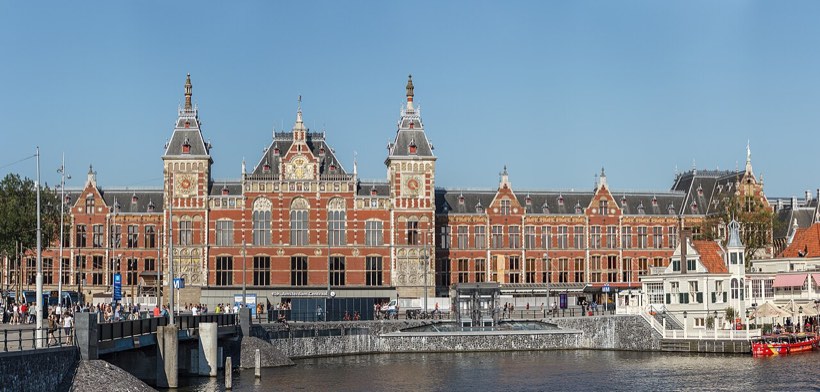
November 1631: one chest of copper plates, a rumour of talent, and a city that smelled of tar and rotting fish.
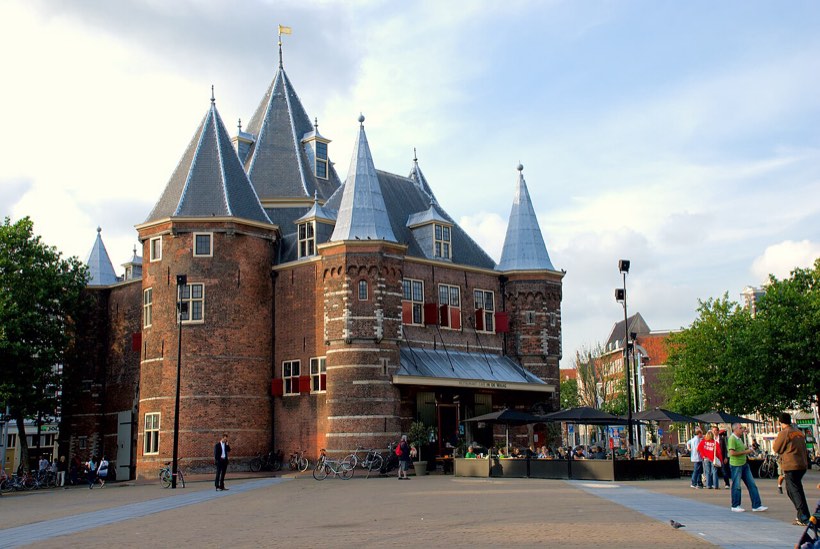
The room where he painted a dissection — and the executed man whose body made him famous.
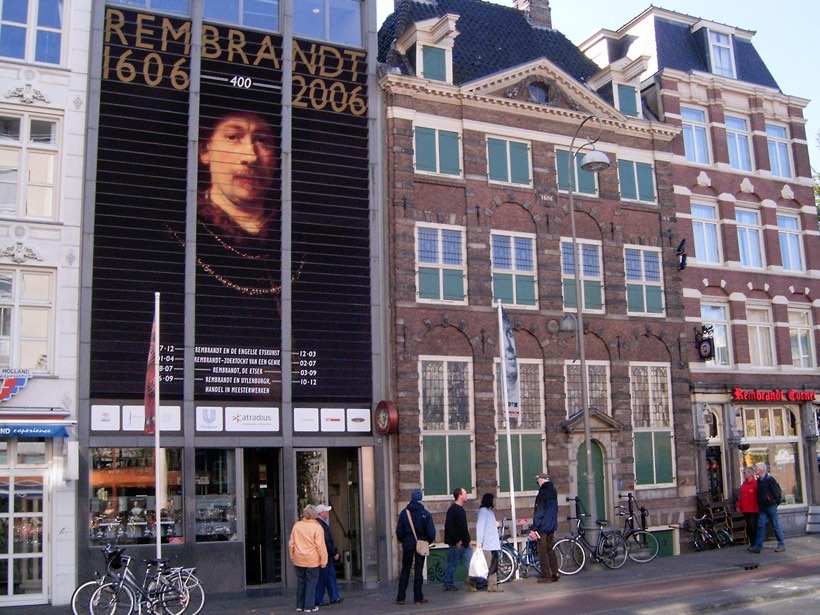
Thirteen thousand guilders, a quarter down, the rest a promise he could not keep. The bailiffs came with red wax.
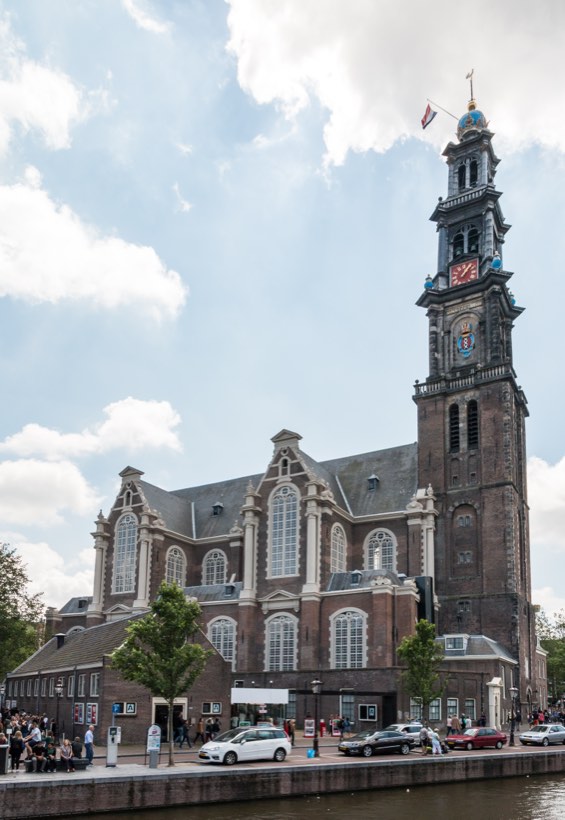
Put your palm on the north wall and feel the carillon. Under this floor, position unrecorded, lies the painter of light.
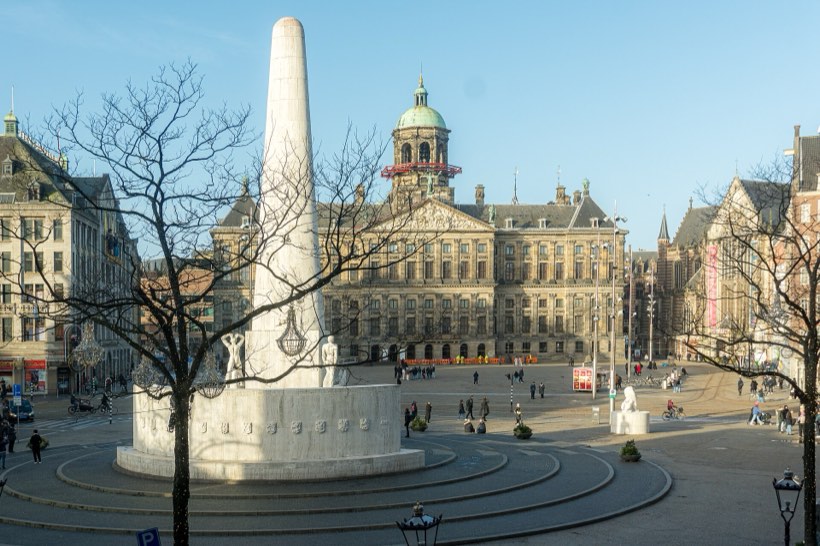
The commission of his life, hung in the town hall — and taken down again within a year.
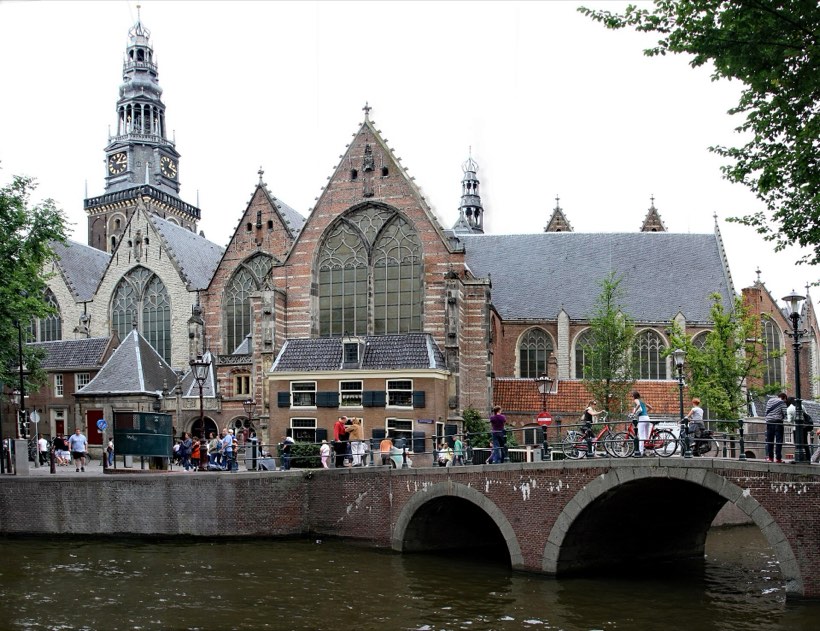
Grave 29K. Bought 1642 for a wife. Sold 1662 to bury the woman the church refused to bless.
All thirteen stops: Amsterdam Centraal · Zeedijk · De Waag · Zuiderkerk · Rembrandthuis · Begijnhof · Amsterdam Museum · Westerkerk · Anne Frank Huis · Torensluis · Ronde Lutherse Kerk · Dam · Oude Kerk.
Captured from the tour as it runs today: the start screen, a chapter playing, and the full thirteen-stop route on the map.
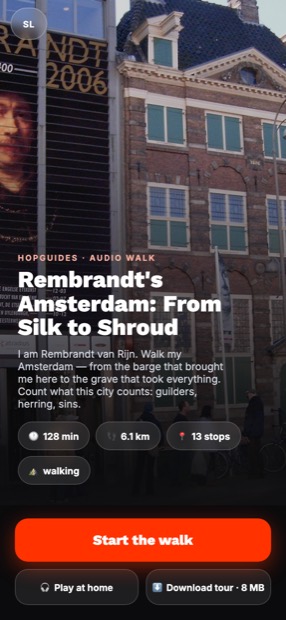
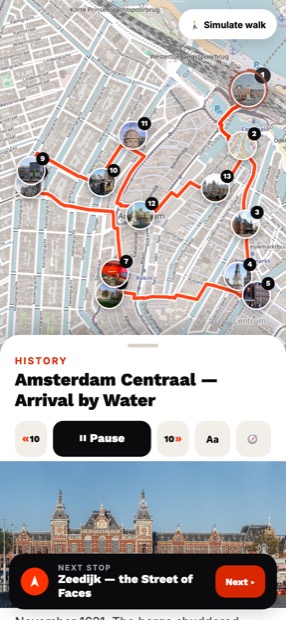
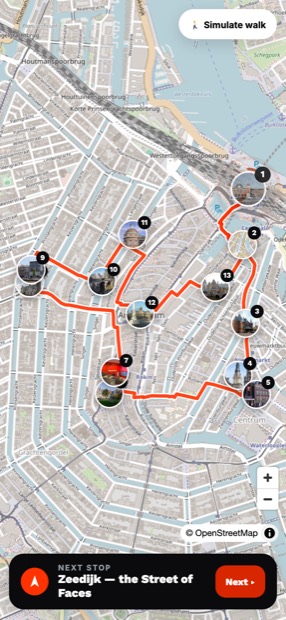
Inventories, burial ledgers, auction lists and dates — the drama comes from what actually happened, delivered on the spot where it happened.
Every chapter is checked against the same standard before it ships: first person throughout, no filler, a real conflict, something you can see or touch. Thirteen out of thirteen passed.
Offline audio, layered navigation fallbacks, and a home mode when you are nowhere near a canal.
No manufactured reviews here. The walk is live and free right now — judge the quality yourself, on your own feet.
The same standard that put Plečnik in a visitor's ear works for a Dutch painter, in a bigger city, in another language — thirteen chapters instead of six, six kilometres instead of one, without lowering the bar.
That is the point of this case study: the format is not a one-off about one architect. It is a way of making any heritage city speak in the voice of the person who marked it.
Thirteen chapters, two hours, your own pace. Open it on your phone and hear the first minute before you decide anything.