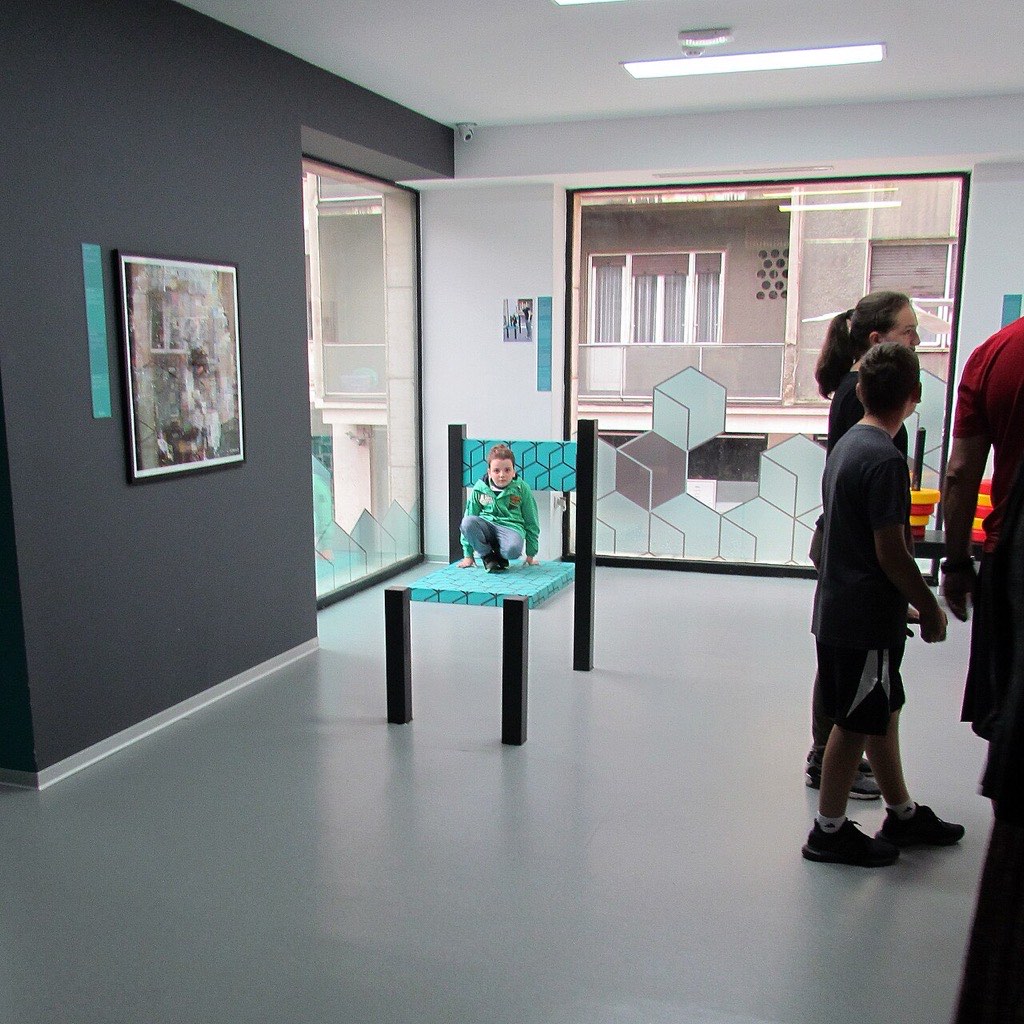
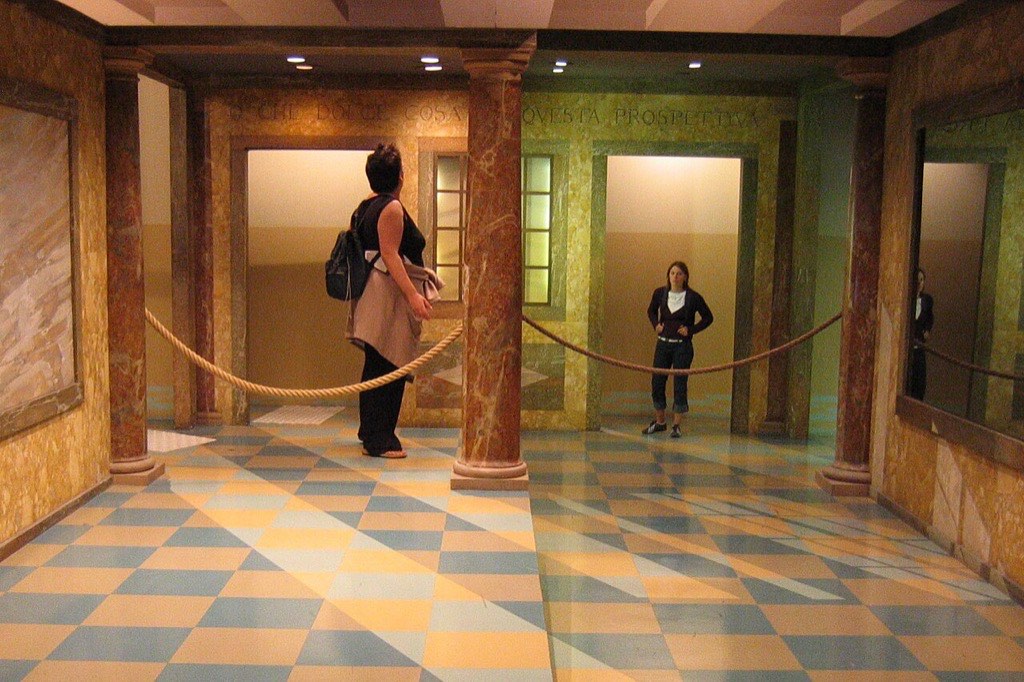
Opening a museum in March 2020 was the worst possible plan in the world. Museum of Illusions Madrid — part of the chain founded in Zagreb in 2015 by the company Metamorfoza — pushed its opening back to June 2020 and ran straight into reality: capped capacity, mandatory reservations, visitors with no appetite for queueing. Instead of building their own system, they embedded a white-label booking system (Tiqets Booking Engine) into their website. The result: 36,000 tickets sold, nearly 90% of all sales flowing through that system — and a daily capacity that rose from 450 to 950 visitors thanks to timed entry slots.
That last number is the most interesting one: nothing was built, nothing was extended. The same building absorbed twice as many people simply because arrivals were spread evenly across the day.
On the museum's website, a visitor picks a day and a time, pays, and gets a QR ticket. They know nothing about the "platform" behind it — the system is white-label, so it looks like the museum's own. At the entrance there is no 10 a.m. queue and no empty halls at 3 p.m.: the time slots spread visits out, and the experience inside is better precisely because it never gets overcrowded.
For the box office, the same system means the end of improvisation: capacity per slot is a hard number, not a gut feeling of the staff at the door.
A fair caveat: the case study was published by Tiqets, and the figures are self-reported. And mind the interpretation: "90% of sales" refers to the white-label system on the museum's own website — in other words, to the technology, not to a third-party marketplace delivering 90% of the guests.
A museum with no IT team got an enterprise booking system in a matter of days — a "super easy" integration, in the museum's own words. The economics are simple: the commission is paid on actual sales, so there is no fixed cost hanging over a young institution's head in a slow month.
The other half of the answer is purchase psychology: booking a slot in advance means the visit is decided, not "maybe, if we find the time". A ticket sold in advance is revenue that does not leak to a competing attraction two streets away.
The Madrid case is worth translating into practice:
HopGuides builds this bridge for museums end to end: listing on the platforms, scan records at the entrance, and a monthly statement ready for your accounting. Write to klemen.furlan@hopguides.art.
Does the visitor know they are booking through a platform? With a white-label system, no — the checkout looks like part of the museum's own website. The brand and the visitor relationship stay with the museum.
Which parts of this were pandemic-specific? Mandatory reservations were. Spreading visits across the day, higher effective capacity and tickets sold in advance are lasting benefits — museums still use them today.
Is this worth it for a small museum too? Small ones benefit most: an aggregate measurement across 238 suppliers found the strongest growth after joining the platforms among the smallest (under 100,000 USD in annual revenue) — under a model where a cost only arises when a sale does.
Where do the numbers in this article come from? From a case study published by the Tiqets platform (2021, self-reported; interviewee Jacquelin Mendes, Museum of Illusions Madrid). Chain background: Metamorfoza d.o.o., Zagreb, 2015; the chain today lists 70+ locations.