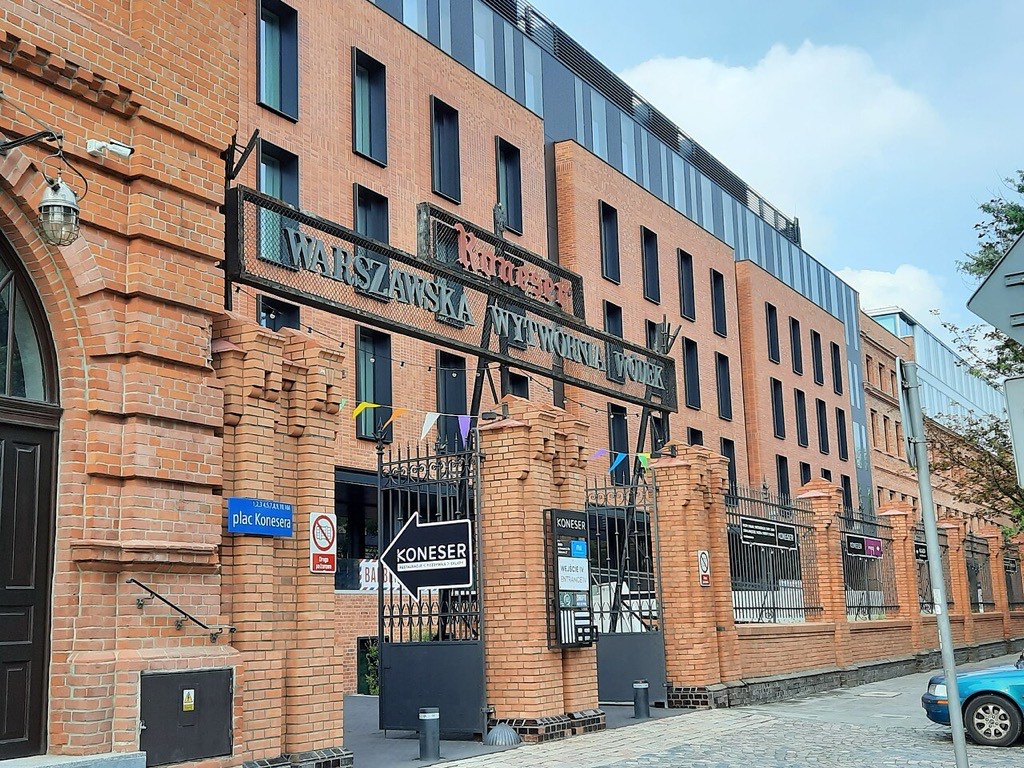
The Polish Vodka Museum in Warsaw has no budget for international advertising campaigns. What it has is something better: data on who actually books. When the museum — opened in 2018 in the restored Koneser industrial complex — looked at its bookings on GetYourGuide, it found that more than half came from international guests. The response wasn't a marketing move but a programming one: more guided tours in English. The result: over 100% annual growth in 2024, with roughly 70% of tickets sold online.
It is the cheapest market research a museum can get — and it comes free with the distribution channel.
A tourist in Warsaw plans the afternoon on a phone. In an app they trust, with a card already saved, they find a museum tour in their own language, with ratings, time slots and instant confirmation. Because the museum adjusted its English tour schedule to actual demand, the guest doesn't end up on a Polish-language tour clutching a translated handout — they get a tour built for them.
For the museum, the same system became a mirror: every month it sees where guests come from, when they book, and which tours fill up.

An honest caveat: the source is a GetYourGuide promotional piece (2024, featuring Mariusz Dampc), and the "100%+ growth" figure is ambiguous — it's unclear whether it measures bookings through the platform or the museum's whole business. The direction of the story (data → programming → growth) is nonetheless well documented.
The museum flipped the usual logic. Instead of "build the programme, then chase an audience", it let demand shape the programme. That is only possible when the sales channel feeds data back — and this is the quiet, underrated value of OTA platforms: they are not just a seller, they are a sensor.
For context, and to show this isn't an isolated case: an aggregate study of 238 experience providers measured 36–41% growth in total revenue within 12 months of joining an OTA; the "museums and galleries" category also recorded 27% growth in direct bookings — platform visibility strengthens your own sales as well.
HopGuides sets up the whole package for museums: listing tours on GetYourGuide and Viator, tracking at the entrance, and a monthly statement your accounting team can work with — including reading the data the way this case shows. Write to klemen.furlan@hopguides.art.
We have no foreign-language guides — is that a dealbreaker? No. You can start with a basic ticket and an audio guide in foreign languages; the channel data will tell you when a proper tour in English or German becomes worth it.
How much data does the platform actually return? Enough for programming decisions: booking volumes by day and time slot, the guest's country, and how far in advance people book. You generally don't receive buyers' personal data — the customer relationship stays with the platform, which is the fair price of the channel.
Doesn't a high commission eat the growth? Commission (market benchmarks: GetYourGuide 25–30%, Viator 20–30%, Klook 15–25%) is a channel cost you weigh against the alternative — what one international guest would cost you through advertising. For most museums, the answer is: considerably more.
Where do the numbers in this article come from? From GetYourGuide's piece on the Polish Vodka Museum (August 2024, self-reported) and an aggregate study by GetYourGuide with FareHarbor, Bókun and Ventrata (238 providers). Both have a commercial interest; treat the figures as directional.