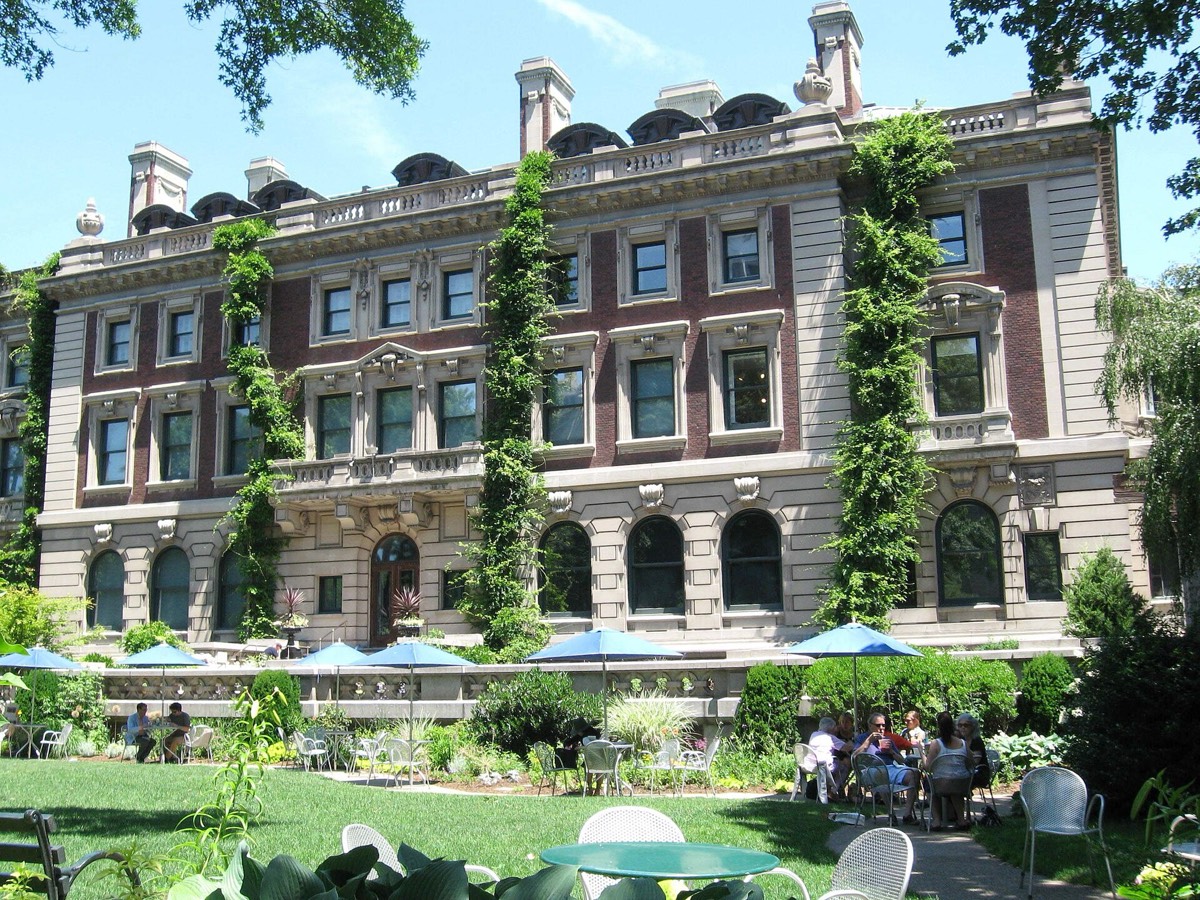
When you enter Cooper Hewitt, the Smithsonian Design Museum in New York, you don't just get a ticket. You get a black aluminium pen, as thick as a fat marker. You carry it through the galleries, and when an object catches you, you press the pen's tip to a mark beside the label. A quiet click. The object is now yours — not physically, but saved. At the end you drop the pen in a basket, type the code from your ticket at home, and everything you collected is waiting in your browser.
By the museum's own figures, around 94% of visitors use the Pen — a number most museum apps never see. The reason isn't the gadget. The reason is that the Pen changes the very act of visiting.
The viewer becomes a collector. Instead of photographing a label they'll never look at again, they make a deliberate gesture — "I want this one." That act is physical and conscious, and that is exactly why the visitor remembers it. At large interactive tables, the Pen also lets you draw and explore the collection, design your own objects and save them to the same personal folder.
At home, the visit continues. Every collected object has its own web page with high-resolution images and context. The museum extends contact with the visitor beyond the building's exit — and gives them a reason to return.
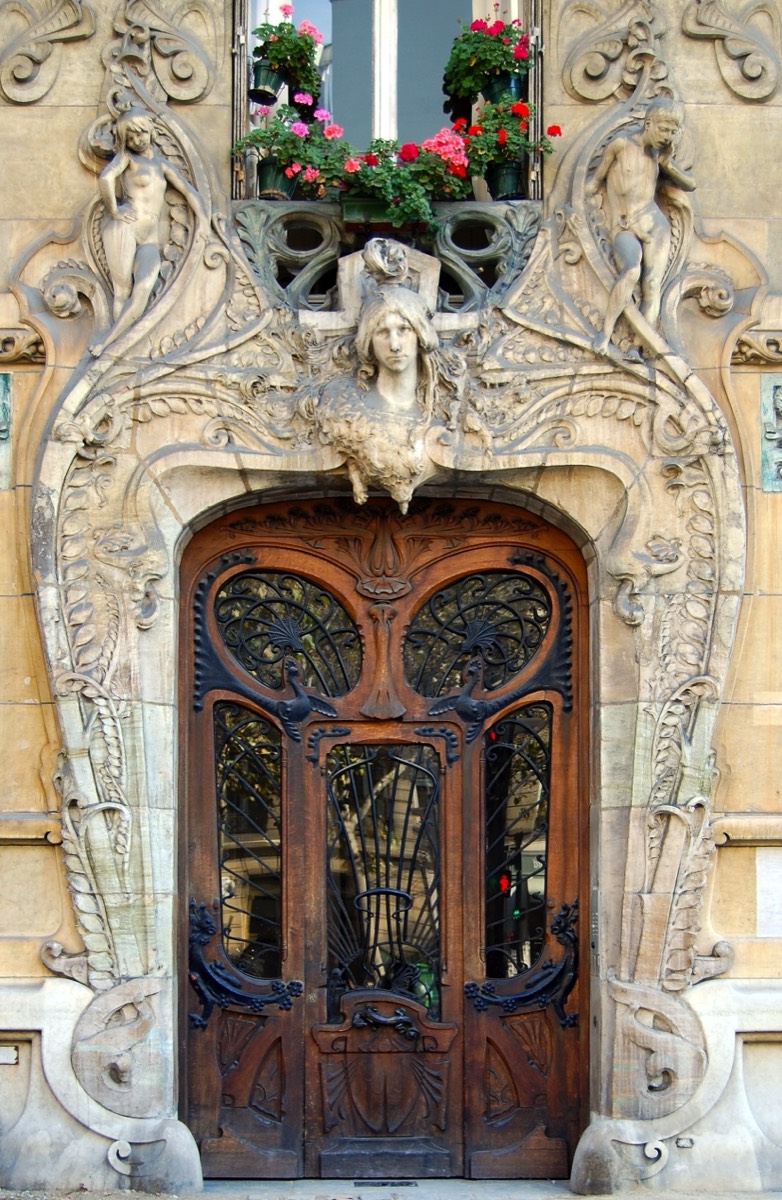
The Pen is, at its core, not magic — it's NFC. The tip contains a near-field reader; every label has an embedded tag carrying the object's identifier. Pressing links the object to an anonymous session tied to the code on the ticket. No login, no app, no account — the paper code is the key.
The Pen's technology originates from the vWand industrial tool by Sistelnetworks, originally designed for other purposes and then adapted for museum use; the experience and the interactive tables were designed by Local Projects, with a wider team of partners contributing to development. The key engineering decision was simplicity on the visitor's side: all the complexity is hidden in the infrastructure, and the visitor makes a single gesture.
94% usage rests on three things. First, the barrier is zero: nothing to download or sign up for, just press. Second, the act is active: collecting is a decision, not passive browsing, and we remember decisions. Third, the reward is deferred: the visit continues at home, giving the museum a second chance at contact and a return.
The good news: the "take the visit home" effect doesn't require a special million-dollar pen. NFC is cheap and ubiquitous — every modern phone has it built in.
For a regional museum, the natural route needs no physical device: the visitor taps their own phone against an NFC sticker or scans a QR by the exhibit and adds it to a collection that lives on a unique link. A sticker costs a few cents to a few euros, needs no battery and works without an app. And the "collecting" model is directly repeatable: you give the visitor a reason to do something with an object, not just walk past it.
One thing must be right: the European Accessibility Act (EAA) has applied since June 2025. A take-home portal is a website and must meet WCAG 2.1 AA — screen reader, contrast, keyboard navigation. Because it's the web, accessibility is achievable by default if it's built in from the start.
Do we need a special physical pen? No. For a regional museum, the visitor's own phone with NFC or QR is a cheaper, lower-maintenance and more hygienic route to the same "collecting" effect.
How does the visitor access what they collected at home? Via a unique link or short code — with no mandatory login or account, which lowers the barrier and respects privacy.
Does it work without internet in the hall? Collecting can be recorded locally and synced at the exit; the home portal then runs over the web. That matters in stone castles with dead network zones.
How many languages? As standard, Slovenian, English, German, Italian and Croatian, with AI speech synthesis.
This study is part of the Museum AI playbook — 8 digital experience patterns that work.
Want to give the visitor a reason to return — even after they leave? Write to klemen@hopguides.art and let's talk.