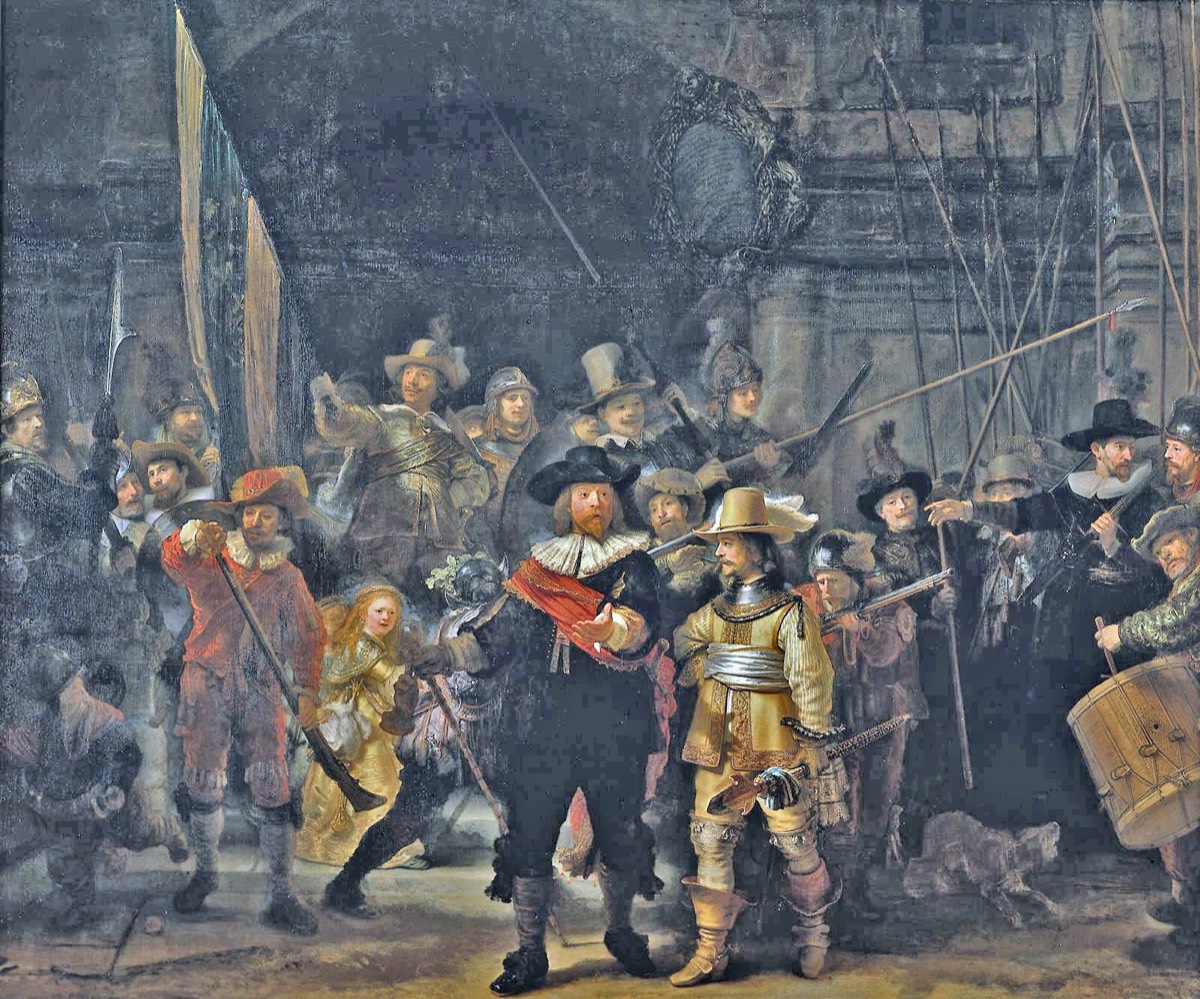
You look at one Rembrandt on the Rijksmuseum website and instead of a dead end, a network opens: works from the same period, the same motifs in other hands, the objects on the canvas, the artist who taught him. A click leads to a click. Just as Netflix suggests the next thing after one viewing, the collection leads you deeper — not with a search bar, but with connections.
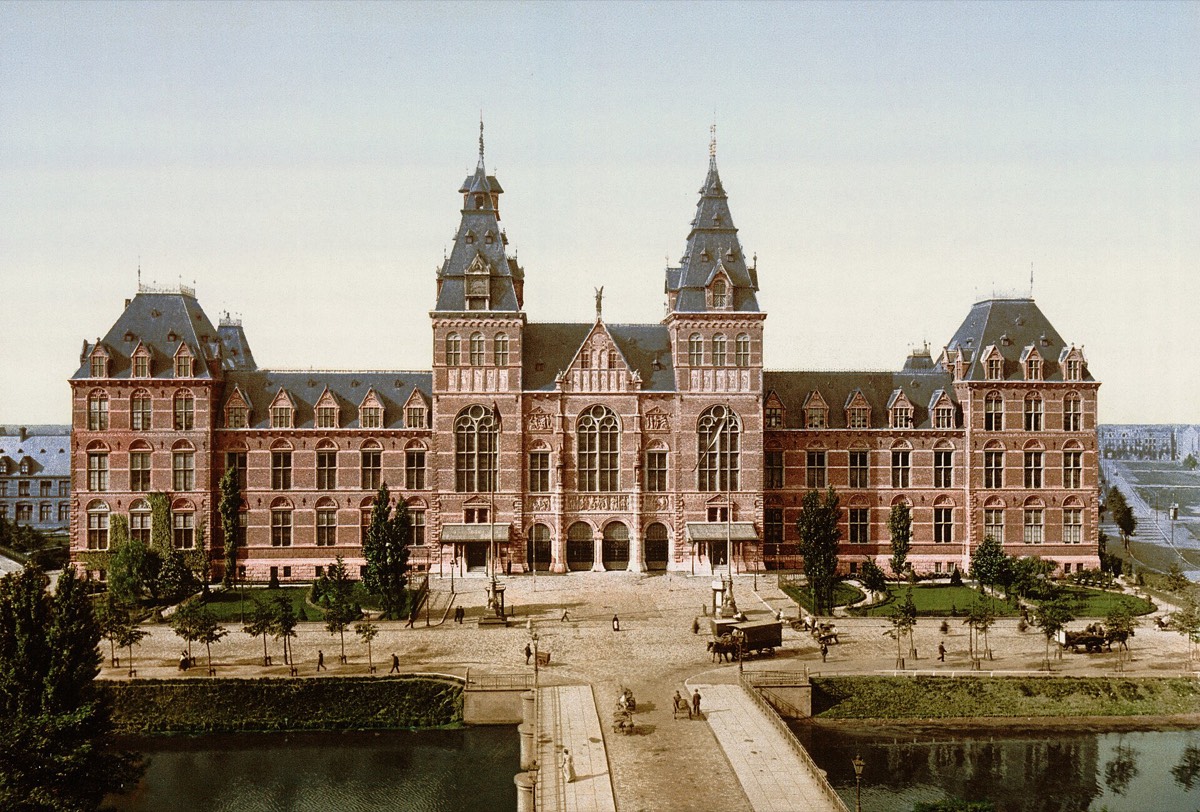
The Rijksmuseum in Amsterdam has one of the largest digitised collections in the world, around 800,000 works. The sheer scale is a trap: without structure, a large collection is just a large pile. The solution wasn't more search, but better connections between works.
Exploration runs like a story, not a catalogue. Each work is a node in a network — linked to its author, period, technique, motifs, and to other works that share those properties. The visitor doesn't know in advance what they're looking for; they follow the threads that interest them, and each thread leads to the next.
A layer of artificial intelligence deepens this further: instead of the visitor composing queries themselves, the system suggests meaningful connections and paths through the collection. A vast archive becomes guided, without losing its depth.
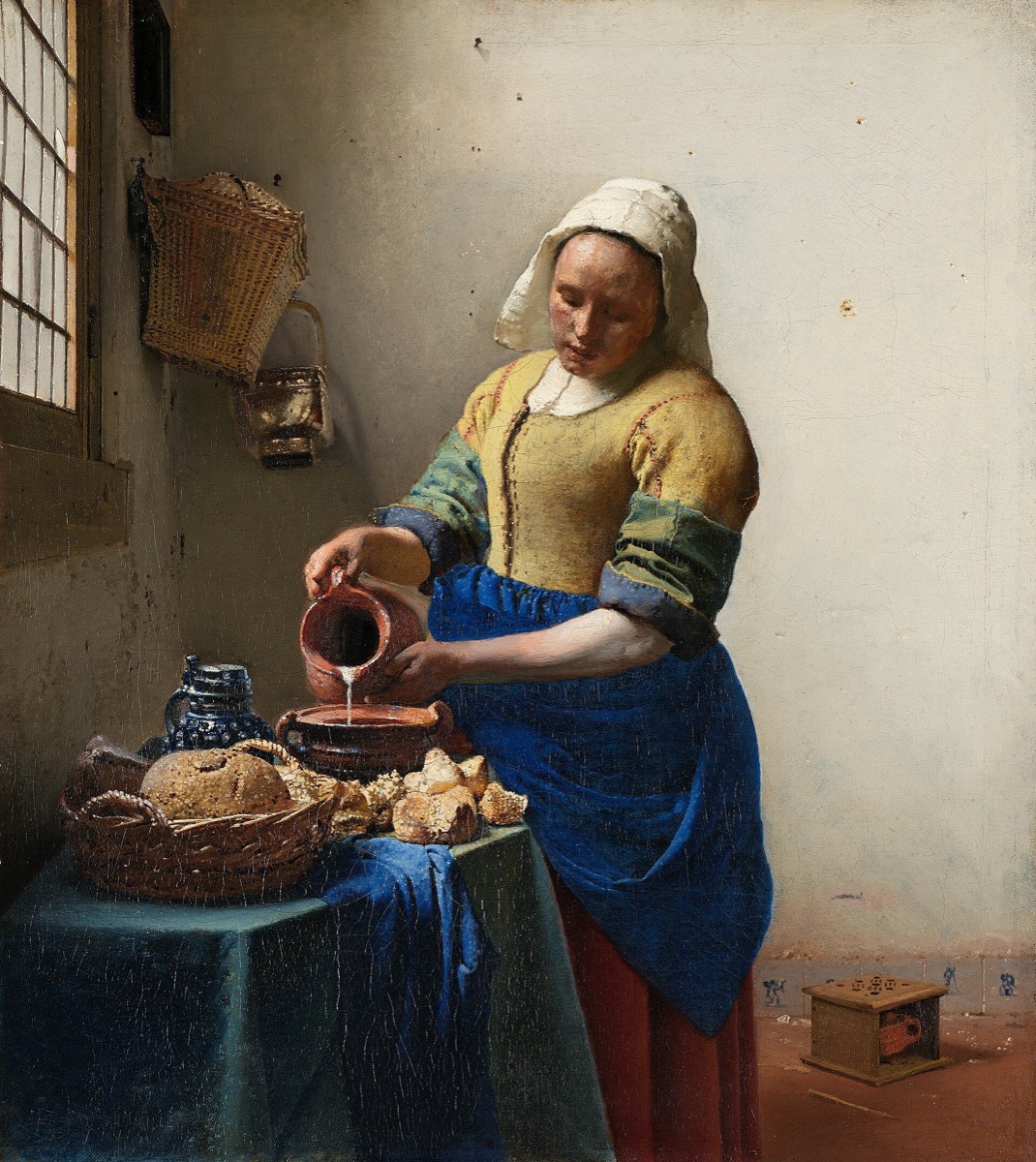
The foundation is Linked Data. Each work is not just a row in a table, but a structured entity with links to other entities — authors, places, materials, themes. Those links are what make the "next click" possible.
According to the project, the architecture is driven by a combination of a graph database that stores the relationships between works and a search system for fast retrieval, with an AI layer on top for exploring the collection. This connecting approach is reported to have produced a substantial rise in views of work pages — moving from one node to the next, the visitor stays longer. The technical details differ between implementations; the essence isn't the choice of a particular database, but the decision that the data is connected, not separated.
The effect rests on three things. First, connection beats search: most visitors don't know what to search for, but they can follow something interesting. Second, structure unlocks scale: 800,000 works is a burden without links and a treasure with them. Third, AI is a guide, not a replacement: it suggests paths, the decision stays with the visitor.
Here's the good news for a regional museum: this approach doesn't need 800,000 works to work. It needs the right structure. Even a museum with a few thousand objects, or a castle with an archive of documents, photographs and stories, gets the same effect once objects are not separate records but a connected network.
In practice this means: you structure your existing archive — inventory, photographs, historical descriptions — as linked data, where each object points to people, places, periods and other objects. An AI layer then helps the visitor (or curator) explore, suggests connections and assembles guided paths through the collection. A dead archive in a drawer becomes living, explorable material — without digitising anything anew, simply by connecting what you already have.
And: the European Accessibility Act (EAA) has applied since June 2025. Online collection exploration must meet WCAG 2.1 AA — screen reader, contrast, keyboard navigation. Because it's the web, accessibility is achievable by default if it's built in from the start.
Do we need a large collection for this to pay off? No. Connections raise value even with a few hundred or a few thousand objects; the effect is relative to structure, not size.
Do we have to digitise everything from scratch? Not necessarily. Often the main work is in connecting and structuring existing records, not in new capture.
Does AI replace the curator? No. AI suggests connections and paths; the curator remains the source of truth and decides what is credible. The technology extends the reach of their knowledge.
How many languages? As standard, Slovenian, English, German, Italian and Croatian, with AI speech synthesis.
This study is part of the Museum AI playbook — 8 digital experience patterns that work.
Have an archive sleeping in drawers? We help connect it into a living collection. Write to klemen@hopguides.art.