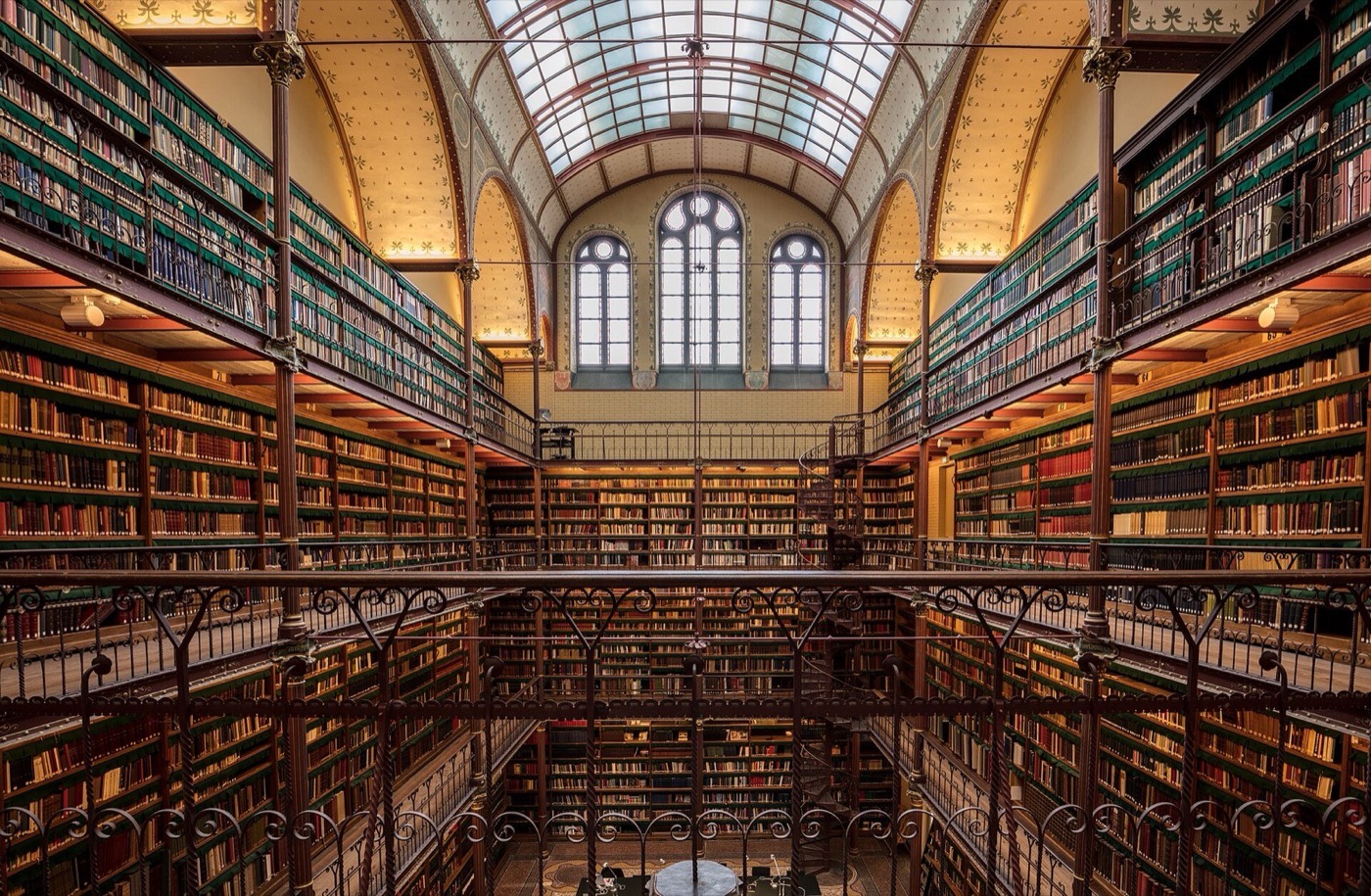
In most museums, digitisation happens like this: a documentation project, funded from budget leftovers, a photographer does the work, TIFFs migrate to a server, and there they stay. The collection is "digitised". And nobody sees it. That is not digitisation — that is an expensive archive.
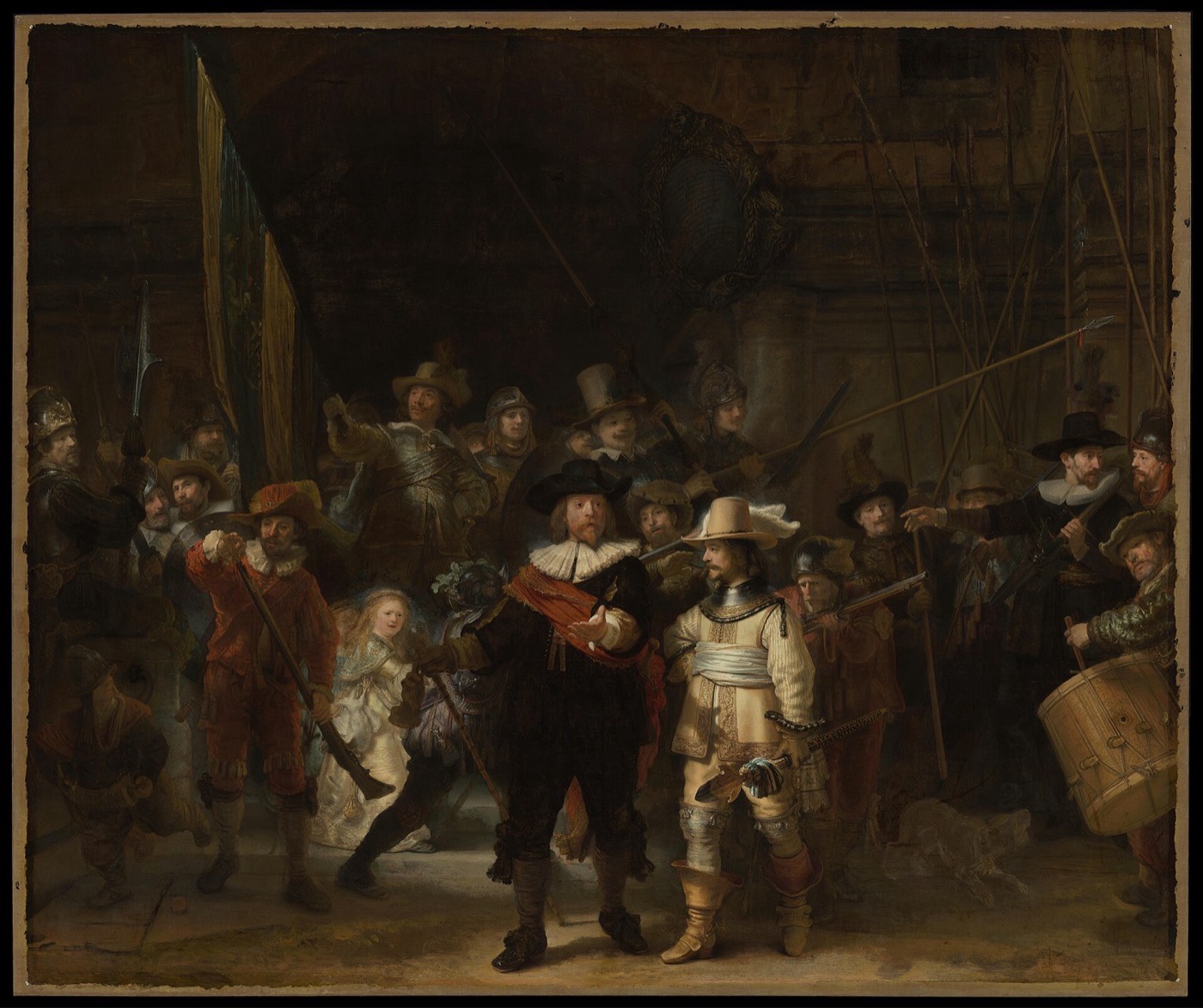
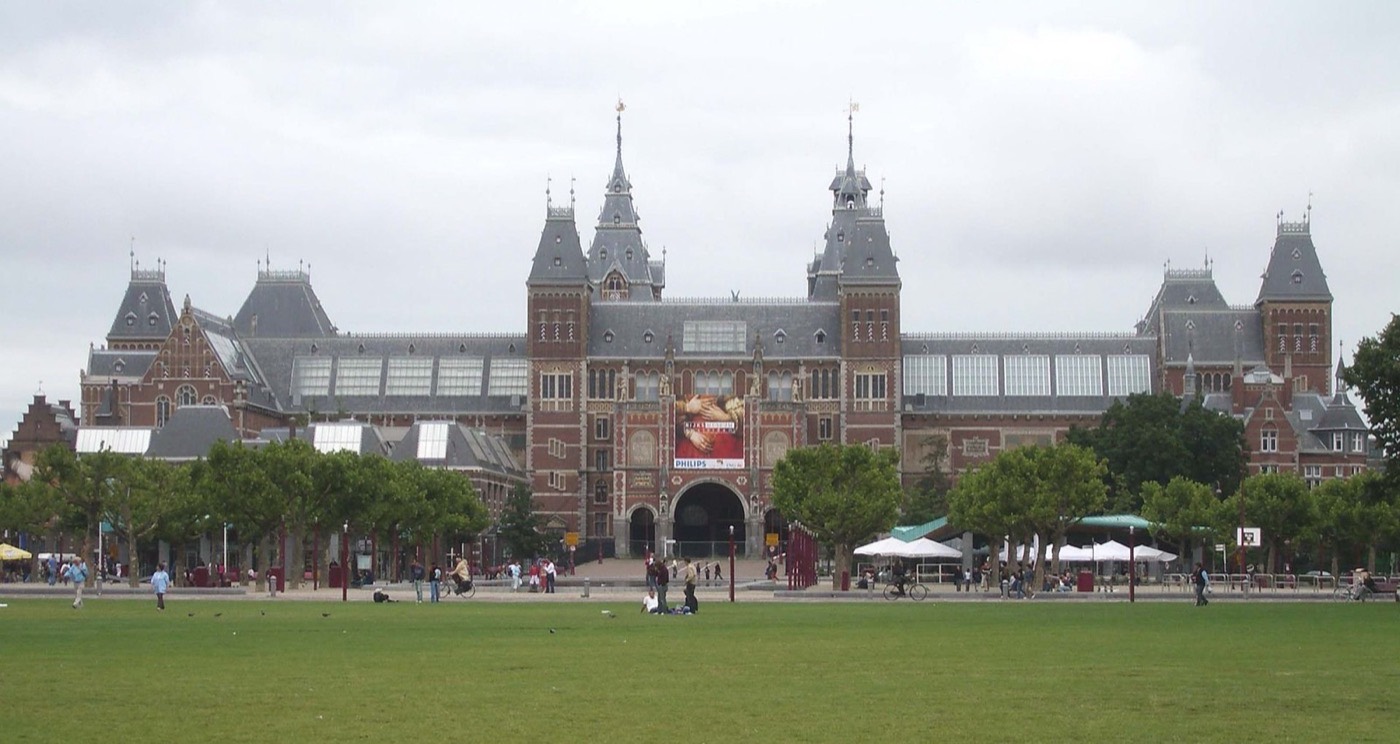
There is another path, and its best-known example stands in Amsterdam. In 2012, with Rijksstudio, the Rijksmuseum did something that looked like madness at the time: it gave its best photography — high resolution, no watermarks — to the public for free use. Download it, remix it, print it on a T-shirt. The result was not a loss of control but an explosion of reach: The Night Watch became omnipresent, and the museum's brand a global reference for open heritage.
Opposite the open model stands the controlled one: high-resolution files remain behind a paid licence, and image-rights revenue funds further digitisation. The Smithsonian released millions of images as CC0 in 2020 and bet on reach; many European houses prefer to keep control and charge for commercial use. Neither path is wrong — what is wrong is not making the decision consciously.
For most institutions the best answer is a combination. The lower tier — open: medium-resolution images, freely available, because they build reach, education and goodwill. The upper tier — reserved: high-resolution photography, 3D scans and immersive-grade material that feed exhibitions, licences and commercial projects. One photography campaign, two outputs, two functions.
The key is the reuse chain: the same scan of an object appears in an exhibition station, in a trailer film, in school material, in an online exhibition and in a licensing catalogue. Every reuse lowers the effective cost of capture — that is the difference between documentation and an asset.
This is where everything is decided. As long as digitisation is a "material documentation cost", it will always be the first line item cut. Once it is booked as an investment in an asset with multi-year use — like display cases or climate control — the conversation with your board and founder changes: you are not asking for an expense, you are proposing an investment with measurable use in exhibitions, programmes and licences. EU programmes (Interreg, Horizon) routinely co-fund digitisation on precisely this condition: that the material will be used, not stored.
Do not start with the whole collection. Choose ten objects carrying the strongest stories and digitise them once — but multi-purpose: full-resolution photography, 3D where it makes sense, the story written down. Then count the uses within one year. That number is the argument for the next budget.
Does open access eat licensing revenue? The experience of open institutions suggests the opposite: reach grows, credibility too, and commercial partners still need (and pay for) top quality and advice for professional use.
What about copyright in newer works? The tiered model applies to public-domain material; for protected works the licensed tier is the only one — but the capture-once, use-many principle still holds.
How much does a 3D scan cost? From phone photogrammetry to laser scanning the range is enormous. The real decision is not the price of the scan but: how many uses will it have in five years.
This study is part of the Museum AI Playbook — 8 patterns of digital experience that work.
The capstone of this series: The Successful Exhibition Blueprint — 15 steps from idea to metrics.
Want to assess which ten objects in your collection carry the most? Write to klemen@hopguides.art — one object, one story, one QR, free.