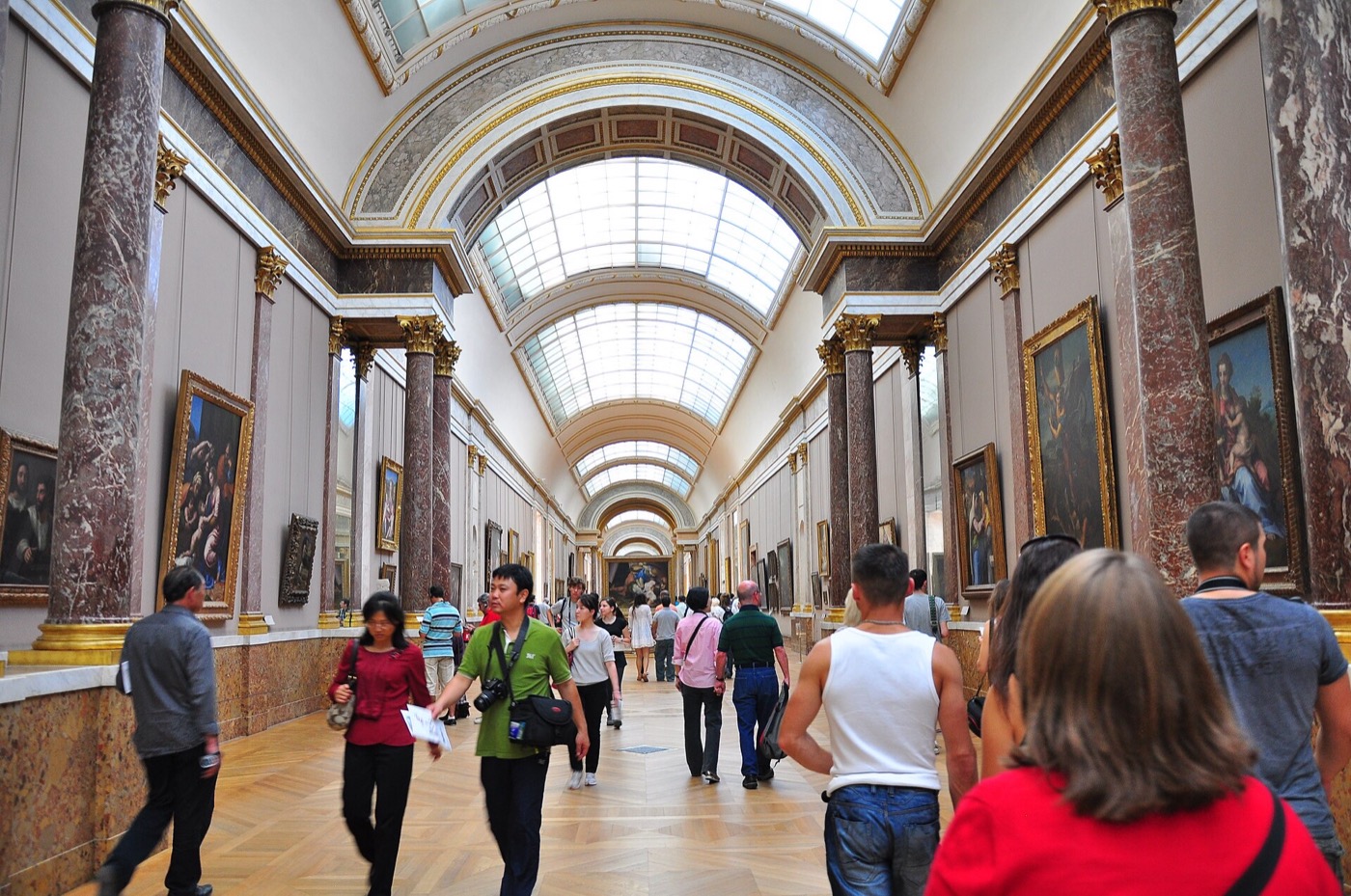
The three articles in this series set three pillars: the exhibition as a product, digitisation as an asset and the trailer as the cheapest driver of attendance. This blueprint joins them into a single execution plan — 15 steps in six phases, from the first idea to the numbers you show your board. Each phase ends with a checklist: if you cannot tick it, do not move on.
Most exhibitions fail before opening — the moment nobody writes down what success means. "Well attended" is not a goal; a goal is a number, a date and the name of the person tracking it. Before approving the budget, write five numbers: expected attendance by month, revenue per visitor (ticket + shop + programmes), dwell time, share of school groups and the number of media mentions. Five numbers, one page, signed by the director and the curator.
Why so strict? Because these five numbers later decide everything: how much the trailer may cost, whether multilingualism pays, when the show is "good enough" to extend. Without them every later decision is made by feel — and feel always loses to a budget cut.
The second question, still before selecting objects: does this exhibition travel? Not necessarily physically — the story, the digital layer or the format can travel. A show that lives only in your building for six months must recover its whole cost through one box office. A show whose story moves on — to another house, an online exhibition, a school programme — recovers the same cost several times.
The test is simple: if the neighbouring museum asked tomorrow "can we host this?", what would you hand them? If the answer is "nothing, it is all bolted down", you have just designed a cost, not a product.
The classic process runs: pick the objects, then write the texts. Successful exhibitions do the opposite — story first, then the objects that carry it. The difference is not academic. When the story leads, the exhibition has a spine: every object has a role, every room a purpose, and the visitor always knows where in the narrative they stand.
A practical test: describe the exhibition in three sentences without naming a single object. If you cannot, there is no story yet — only exhibits. The story can be a person (a baron who speaks for the first time), a question (why was antiquity painted, not white?) or a twist (everything you know about this valley is wrong). The objects come afterwards — as evidence.
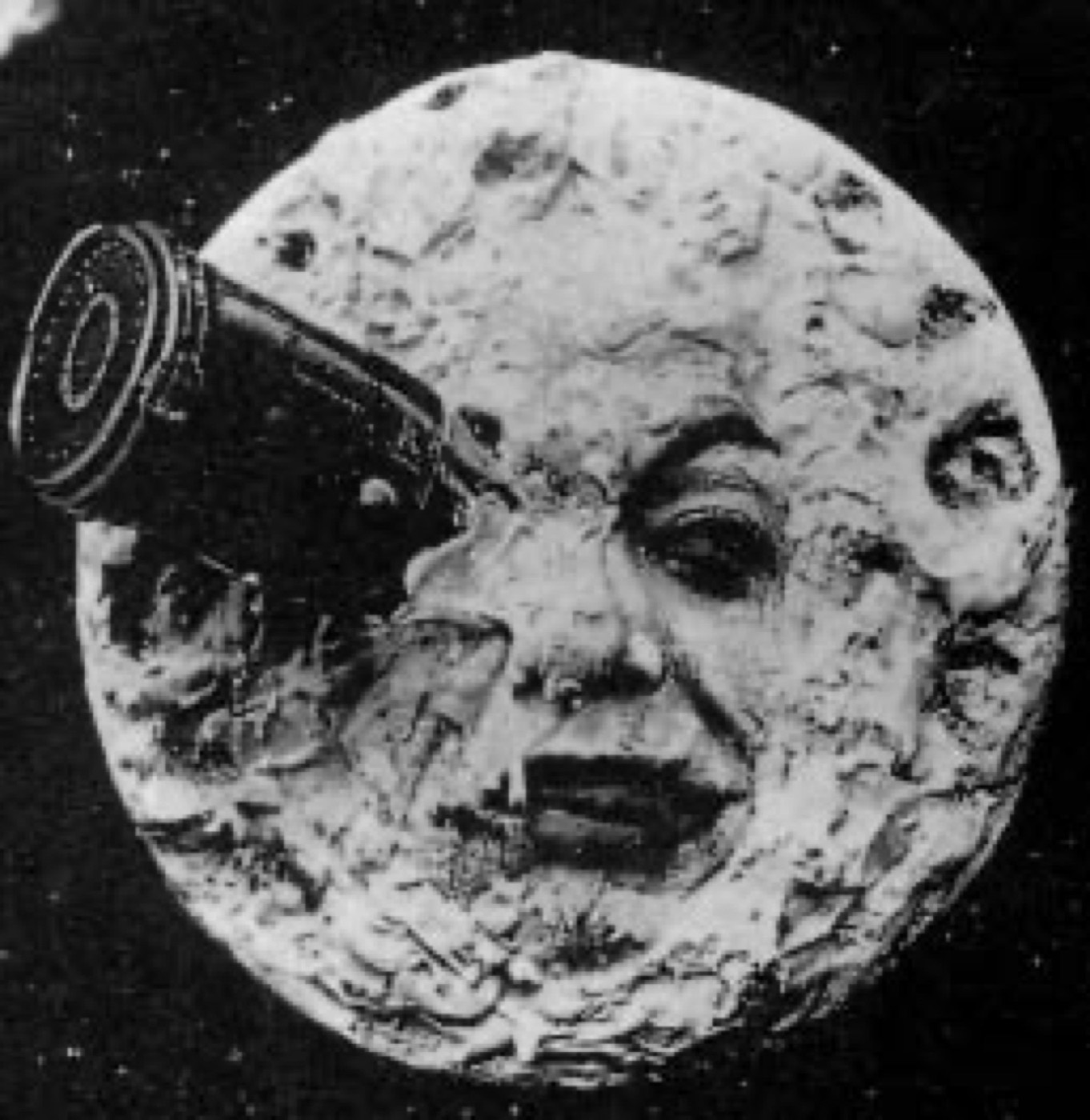
An exhibition is a three-act play in which the protagonist is the visitor. Act one (entry): the world is set, the promise is made — within the first three minutes the visitor must understand why they are here. Act two (middle): complication and depth, alternating tension and rest. Act three (exit): climax, resolution and — crucially — a threshold across which the visitor takes something home: an insight, an object from the shop, a QR that continues the story.
Draw the floor plan and plot the emotional curve on it: where the "wow" happens, where the visitor breathes, where the story grips again. If the curve is a flat line, the space is not yet dramaturgy — it is storage with nice labels.
The film industry has a craft name for this: the logline. One sentence carrying the hero, the promise and the reason to come. "A baron who was silent for 200 years speaks for the first time — and answers your questions." This sentence is not marketing decoration; it is the rudder. You test the story with sponsors, journalists and the ticket desk. If you have to explain it, it is not good. If your listener repeats it onward without you — you have an exhibition.
Now — and only now — comes the technology. Once the story is chosen, you know which ten to twenty objects carry it. Digitise those once, but multi-purpose: full-resolution photography, 3D where it makes sense, the narrative written and recorded. The same scan then appears in an exhibition station, in the trailer, in school material, in the online exhibition and in the licensing catalogue.
In the budget this is not a "documentation cost" — it is a capital investment with multi-year use, and it should be booked that way. That is the argument that changes the conversation with your board and opens EU co-funding (Interreg, Horizon), which supports digitisation precisely on the condition of use, not storage.
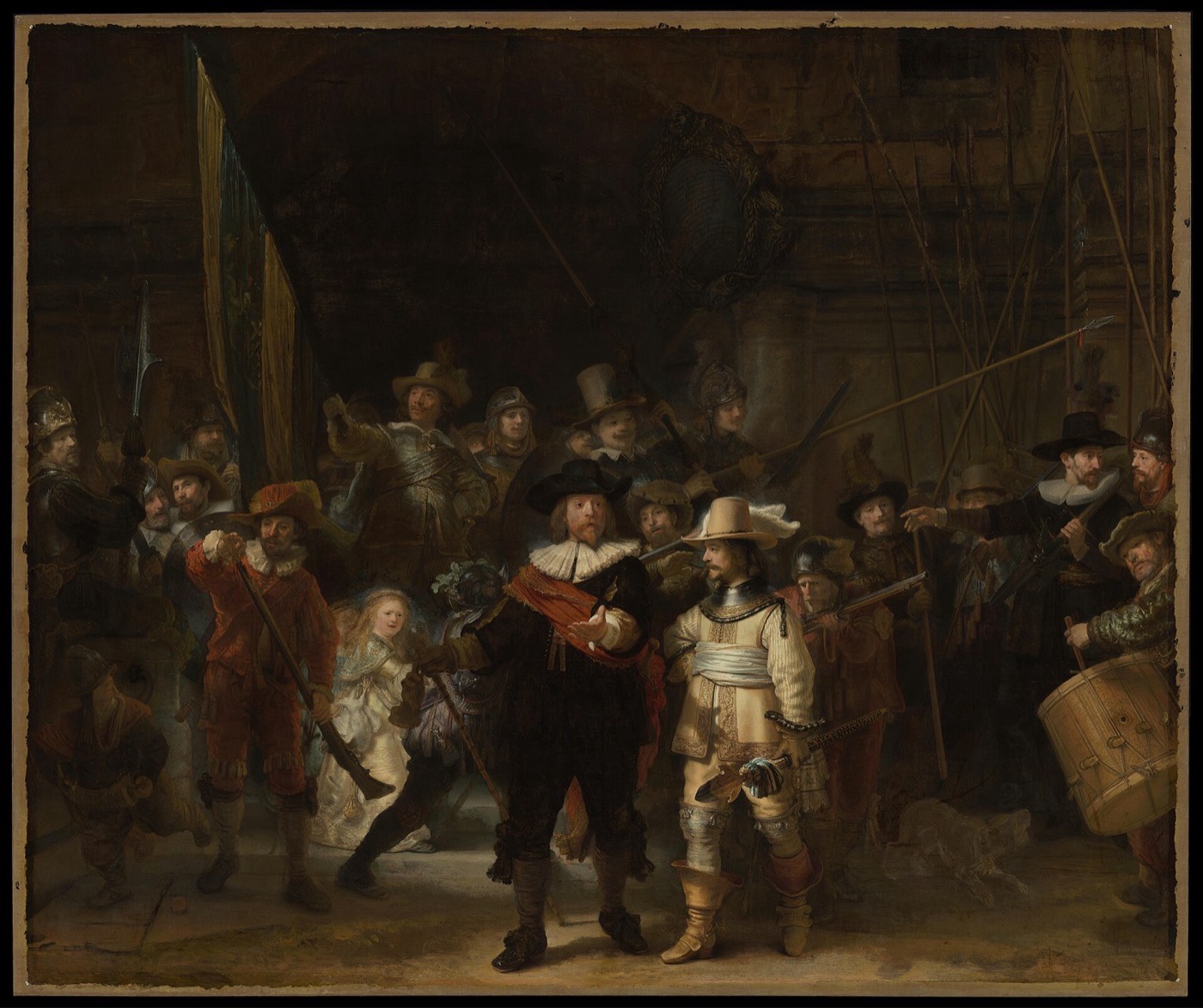
A successful exhibition exists in three layers at once. Physical: objects, space, light — the irreplaceable core. Digital on site: an audio guide, a conversation with a historical figure, an AR reconstruction — the layer that deepens without extra staff, in the visitor's language. At home: what the visitor takes along and what reaches those who have not (yet) come — the online exhibition, the trailer, the school pack.
The principle: no layer duplicates another. The digital layer does not read labels aloud; it says what a label cannot — the voice of a person, the sound of an era, the answer to a question. The home layer does not replace the visit; it creates the desire for it and extends it.
The average visitor's attention is not 8 seconds per case because people are shallow — but because exhibitions often have no rhythm. Everything shouts equally loudly, so nothing shouts. Plan the exhibition like a composition: three to five peaks (scenes the visitor photographs and remembers), rests between them (a bench, a view, silence), and a single crescendo before the exit.
A concrete rule: for every ten minutes of walking, one peak and one rest. If you cannot point to the peak on the floor plan, it does not exist. And a peak need not be expensive — it can be a single object in the right light with the right sentence.
A touchscreen by itself is not interaction — it is a label that moves. Real interaction answers a question the visitor actually asks: "What did this sound like?" "What is inside?" "What if…?" A test for every interactive element: write down the question it answers. If there is no question, cut the element — you will save money and attention.
The strongest interaction of recent years is not a technological stunt but a conversation: the visitor asks, the person from the story answers. When the baron can answer questions, the visitor is not "using a station" — they are having an encounter.
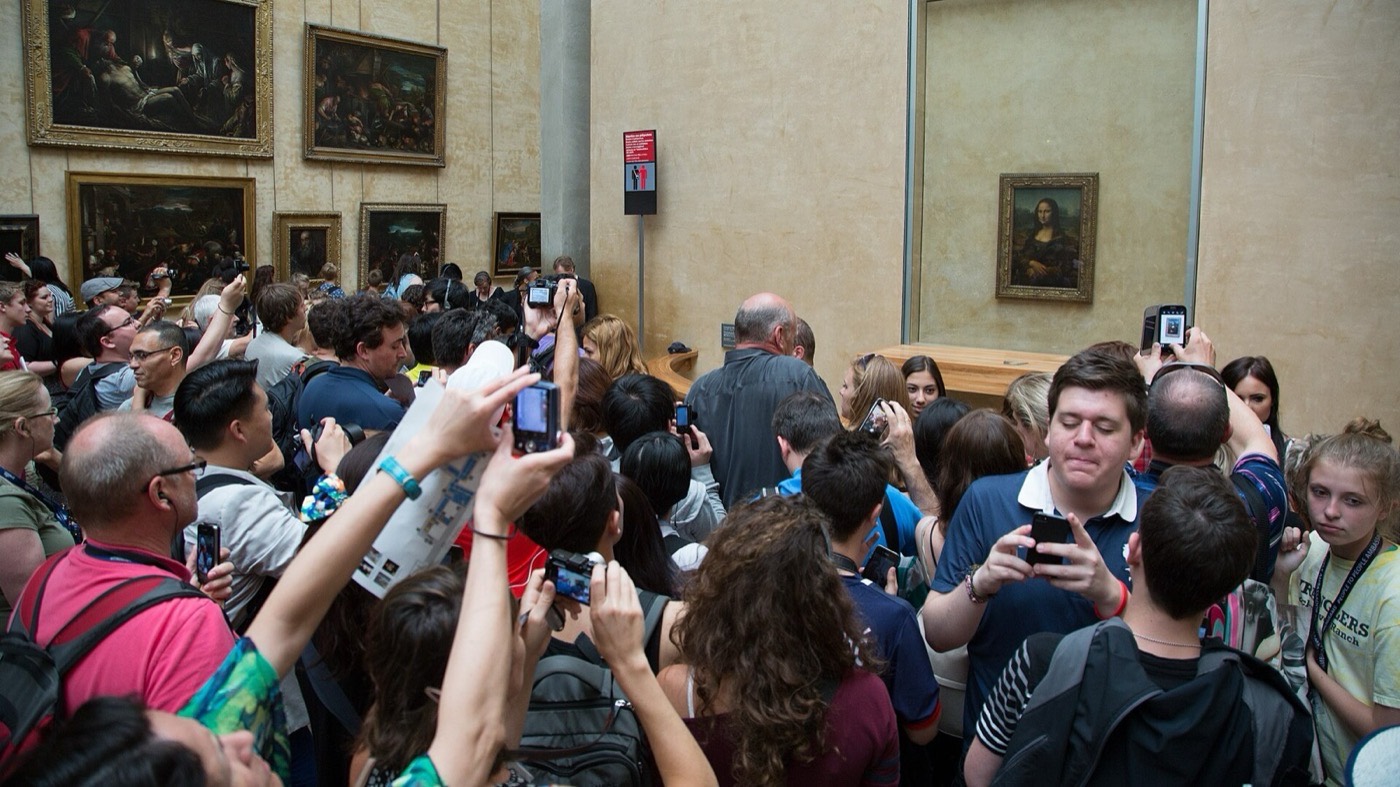
The European Accessibility Act (EAA) has been an obligation, not a recommendation, since June 2025 — and at the same time a business opportunity most overlook. Audio descriptions, text alternatives, clear routes and multilingualism widen the audience: foreign guests, seniors, families with children, people with impaired vision or hearing. Planned from day one it costs little; retrofitted after opening it costs a lot and looks like a patch.
Multilingualism is the quickest win here: the digital layer speaks the visitor's language without extra staff. Five languages are not five times the cost — one translation, curator-reviewed, built into the same system.
An exhibition without a trailer is a film without one: it exists, but nobody knows why they should come. The hero film — 30 to 90 seconds of emotional compression — is made when the story is written and the space still under construction. The same film serves three times: sponsors (the pitch), the box office (pre-sales) and the campaign (the anchor from which the vertical social cuts are made).
New tools have made cinematic imagery affordable for a regional museum — but with that grows the trap of a cheap look. Three anti-slop rules: the curator signs every frame; the archive is the foundation, not the decoration; and when a story has no documentary grounding, the right answer is a classic camera or nothing.
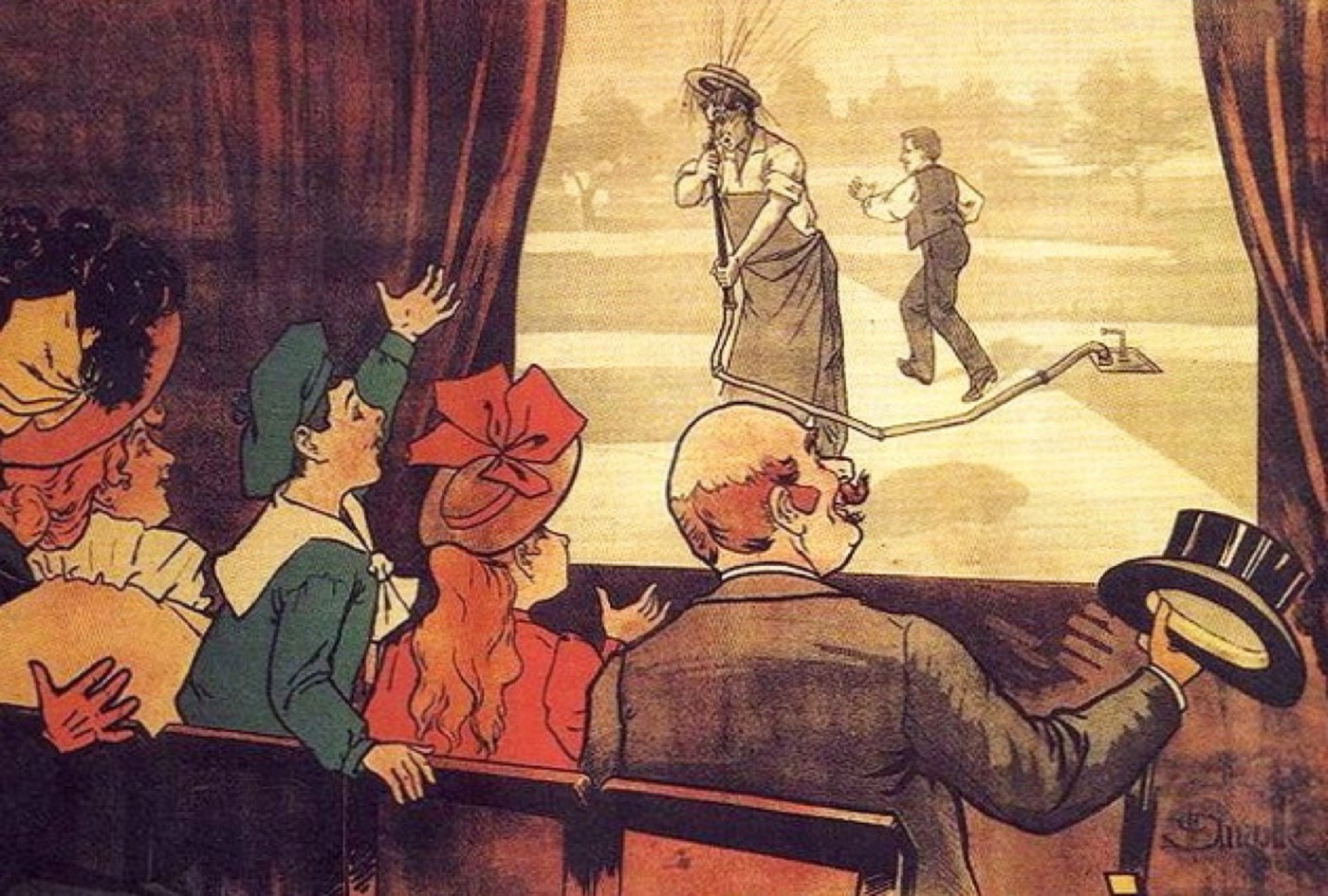
Opening night is for protocol; the first thirty days are for the market. A week-by-week plan: week 1 — creators and journalists with exclusive access; their posts carry the reach. Week 2 — communities: societies, senior groups, neighbouring municipalities, each with its own invitation. Week 3 — schools: a teachers' preview slot and a booking system for groups. Week 4 — the first review of the numbers and an adjustment: which channel drives, which stalls.
The most common mistake: all the marketing money burns before the opening, then silence. Spread it like a series, not a bang — an exhibition is a marathon with a box office open for months.
Every Monday morning, the five numbers from step 01 on one page: last week's attendance against plan, revenue per visitor, dwell time, school bookings, media mentions. No dashboards with twenty charts — the five numbers you signed, each with a green or red dot.
A red dot is not a disgrace; it is an instruction. Attendance falling while reach grows? The problem is conversion — look at prices and schedules. Attendance up, revenue per visitor down? The shop and programmes are not doing their job. The dashboard does not judge — it steers next week.
An exhibition is not a statue; it is a performance that runs. The most successful houses keep changing after opening: they move a bench, shorten a text, add a photo scene, cut a new social edit from the material that proved itself. The digital layer is your testing ground here — updating the audio guide or adding a language needs no building permit.
Ask visitors one single question at the exit ("What will you remember?") and read the answers weekly. Where they match your planned emotional curve, you hit. Where they do not, you have the material for iteration.
When the exhibition closes, it becomes clear whether you built a cost or an asset. Three things must remain: the format (story + dramaturgy + digital layer, ready for the next venue or a licence), the assets (scans, recordings, the film — a library for future projects) and the audience (addresses, school ties, communities that come back). If only a catalogue and memories remain, return to step 02 — next time will be different.
That is the full circle: success defined up front gets measured at the end, the format outlives its first installation, and the next exhibition does not start from zero but from a library. This is how one-off events grow into an institution that visitors and funders take seriously.
This blueprint is the capstone of the series. Deep dives by phase:
→ The Exhibition as a Product — economics, format ownership, the creditor-protection lesson
→ Storage or Content Library — the tiered digitisation model and the budget argument
→ The Trailer Before the Exhibition — cinematic marketing in five steps
→ The Museum AI Playbook — 8 patterns of digital experience that work
Planning an exhibition and want to test the blueprint on your own material? One object, one story, one QR — a free demo. klemen@hopguides.art