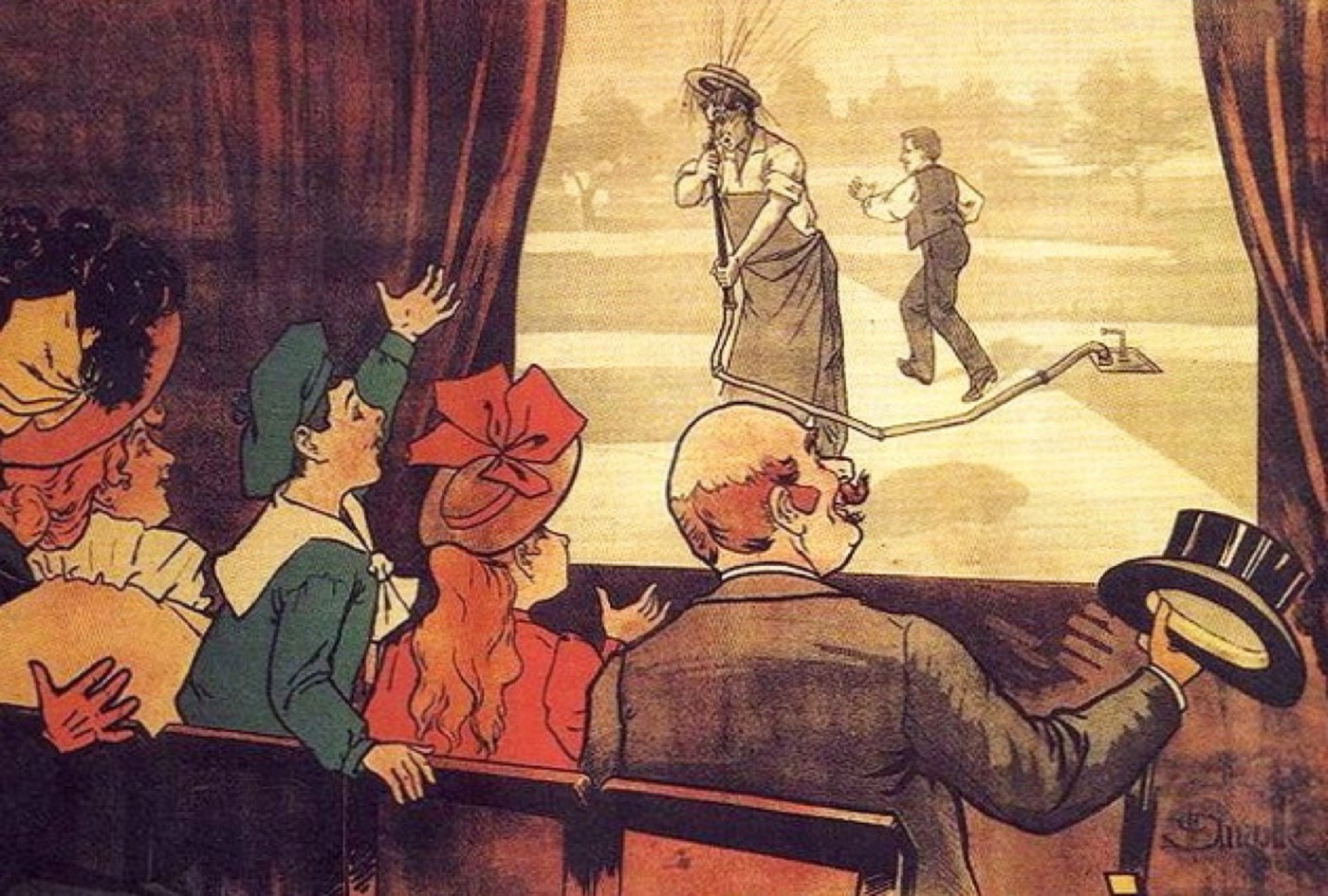
In 1895 the Lumière brothers discovered something the film industry still exploits today: it is not the film that brings people into the theatre, but the promise of the film. The poster, the excerpt, the announcement. A hundred and thirty years later every cinema hit and every Netflix series lives off its trailer — while museum exhibitions still advertise with a static poster at the bus stop.
There is no mystery in why the trailer works: it compresses a complex experience into 30–90 seconds of emotion, exactly the format that social networks actually distribute. An exhibition with a cinematic trailer does not advertise — it tells a story. And stories get shared, ads get skipped.
1. The hero film is made early, not at the opening. Ideally when the exhibition's story is written and the space still under construction. The same film then serves three purposes: a pitch to sponsors, a pre-sale engine, and the anchor of the whole campaign.
2. One hero, many cuts. Sixty seconds of horizontal film become five vertical (9:16) cuts for Reels, TikTok and Shorts — each with its own emphasis.
3. Creators before posters. Three local creators with loyal audiences bring more genuine reach than a month of billboards.
4. "Instagrammable" moments inside the show. The visitor who photographs is your distributor — design the scene for them.
5. Measure two things: marketing's share of the exhibition budget, and acquisition cost per ticket. When acquisition cost exceeds the ticket's contribution, cut paid reach and build organic.
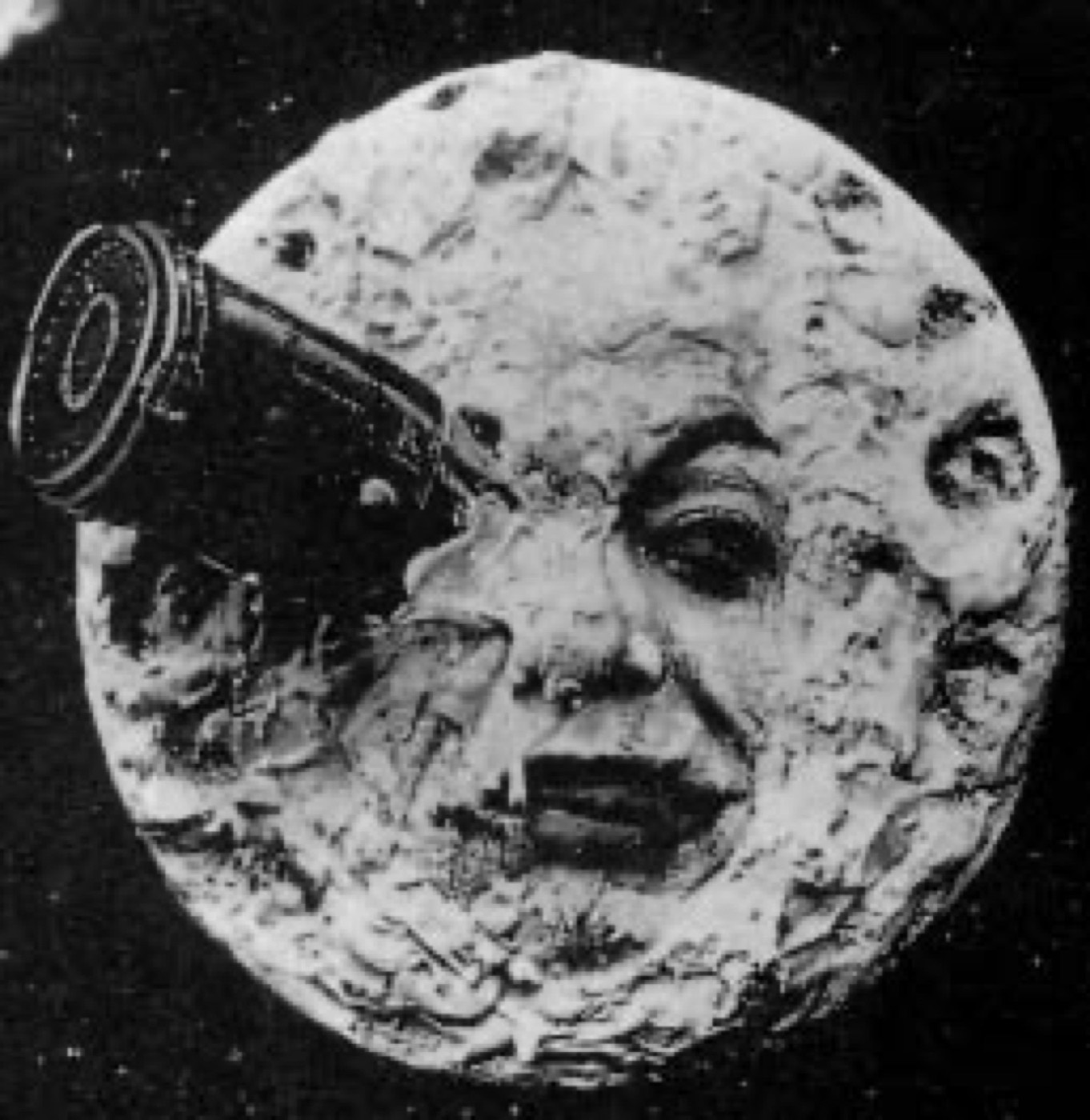
Until recently the hero film was a privilege of large institutions — crew, studio, post-production. New generative tools have brought the cost of cinematic imagery down to a level a regional museum can afford: archival material, object photography and scans become a film sequence without a single shooting day. Our project Beltinci 1918 is exactly that — 200 years of history in 30 seconds of poetry, built from archival sources and validated with the local heritage institute.
The same tools that made film affordable have flooded the web with cheap content — and a museum cannot afford "digital slop". Three rules protect us:
The curator signs off every frame. Nothing goes public without the profession's approval — same as exhibition text.
The archive is the foundation, not the decoration. Generated frames derive from documented material (portraits, photographs, scans), not from a model's imagination.
Knowing when to say no: when a story lacks documentary grounding, or when a depiction would hurt the community the heritage concerns — then the right answer is a classic camera, or nothing.
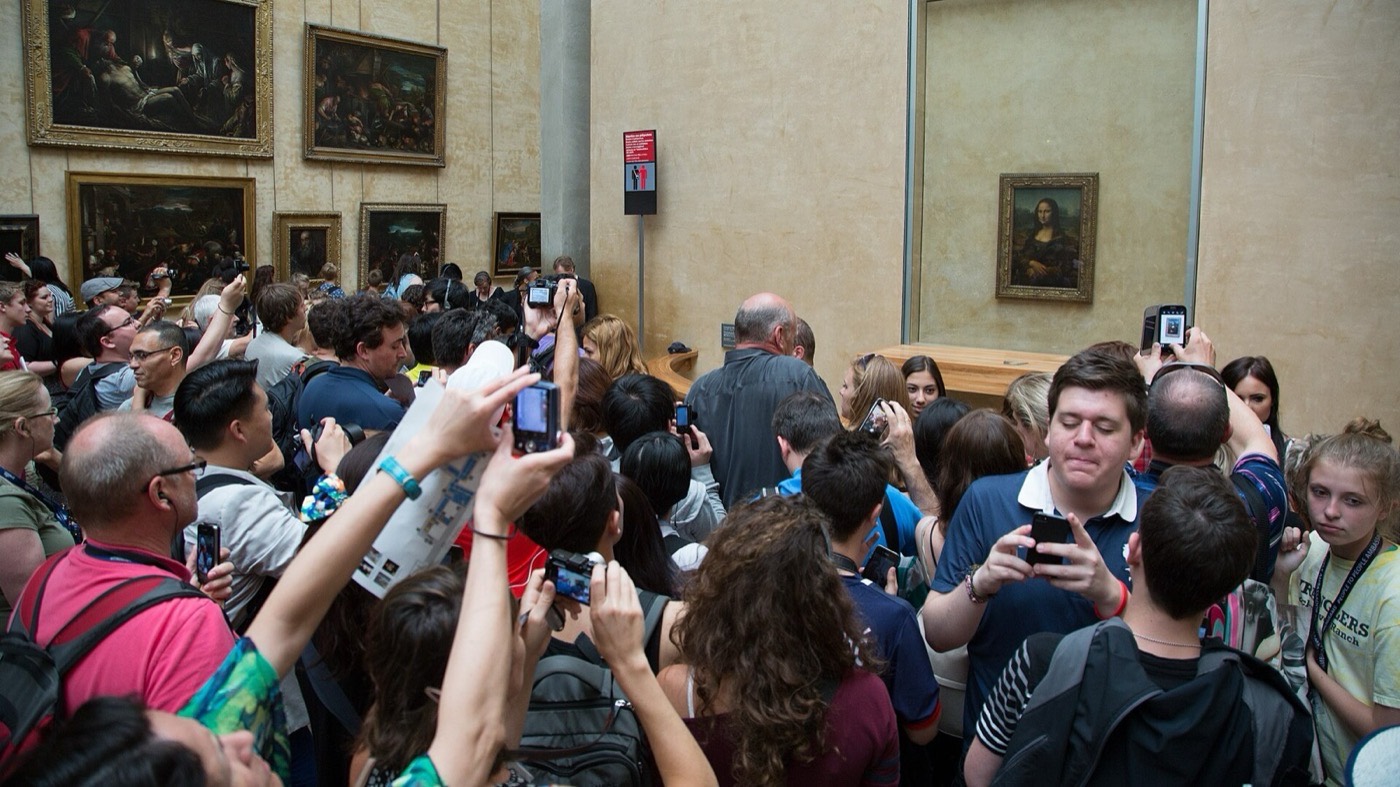
Of all the changes the digital exhibition model brings, the trailer is the cheapest experiment with the fastest feedback. It requires no rebuild, no new spaces — just a story, material, and a few weeks. If the film lifts pre-sales and reach, you have proof for the next step. If not, you lost little and learned a lot.
How much does such a trailer cost? It depends on material and length — but the order of magnitude today is closer to one month of billboard space than to a film production. Send us material and we return a concrete estimate.
We only have photographs of objects. Is that enough? Often yes — good photography, scans and archival documents are precisely the raw material a cinematic sequence is built from.
Who owns the film? You do. The film is part of the exhibition's assets — like the script and the scans (see The Exhibition as a Product).
This study is part of the Museum AI Playbook — 8 patterns of digital experience that work.
The capstone of this series: The Successful Exhibition Blueprint — 15 steps from idea to metrics.
Send us three photographs of one exhibit — we return a trailer concept. klemen@hopguides.art